

-
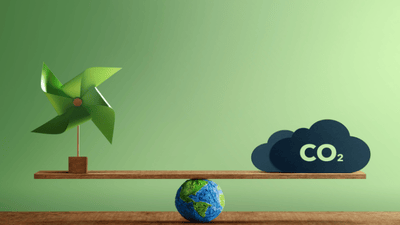
Carbon-Neutral Travel: Is It Possible, or Just Another Marketing Gimmick?
The travel industry has undergone tremendous changes in recent years, driven by a growing awareness of environmental issues and the urgent need to address climate change. As travelers become more conscious of their carbon footprints, the concept of "Carbon New Travel" has emerged.
-
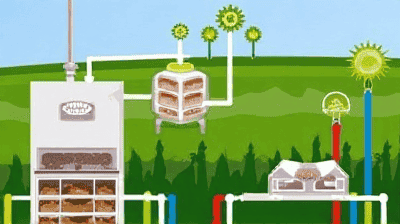
Waste-to-Energy Plants: Are They a Sustainable Solution or a Pollution Risk?
-
How Marine Protected Areas Benefit Both Wildlife and Local Economies

-
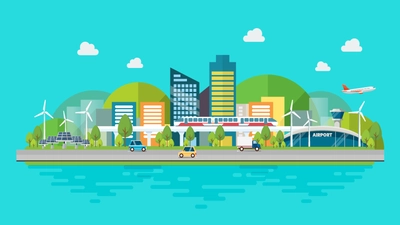
Net-Zero Buildings: How Modern Architecture is Achieving Carbon Neutrality

-
The Hidden Crisis: Why Freshwater Species Are Disappearing Twice as Fast

-
Rewilding Europe: How Wolves, Bison, and Beavers Are Restoring Landscapes

How to Responsibly Recycle Electronics: Certified E-Waste Programs Explained
The Economic Benefits of Reforestation: Jobs, Timber, and Eco-Tourism
Cold Sintering: The Energy-Efficient Way to Recycle Ceramics and Plastics
Electric Buses vs. Hydrogen-Powered Transit: Which is the Future of Public Transport?
Environmental Policy
Environmental Policy
The European Green Deal: Can the EU Become the First Climate-Neutral Continent?
As the impacts of climate change become increasingly apparent, the need for immediate and effective action has never been more urgent. The European Union (EU) has responded to this challenge with the European Green Deal, an ambitious plan to transform its economy and society to achieve climate neutrality by 2050.
Environmental Policy
Greenwashing vs. Genuine Action: How to Spot Truly Sustainable Companies
In a world increasingly concerned about environmental sustainability, consumers are more aware than ever of the impact their purchases have on the planet. As a result, many companies are beginning to prioritize sustainability in their operations and messaging.

Environmental Policy
Rights of Nature: How Giving Rivers Legal Personality Could Save Ecosystems
As humanity grapples with unprecedented environmental challenges, from climate change to biodiversity loss, traditional governance frameworks often fall short in effectively protecting ecosystems. The concept of granting legal personality to nature, particularly rivers, has gained traction as a transformative approach to environmental conservation.

Environmental Policy
Air Pollution Discrimination: How Redlining Still Affects Environmental Health Today
Air pollution is one of the most pressing environmental challenges of our time, with profound impacts on human health, ecosystems, and climate. However, while air quality deteriorates across various regions, the burden of pollution does not fall equally on all communities.

Waste Management
Next




Urban development


Climate Change
-
Climate-Resilient Infrastructure: Building Roads and Bridges for Extreme Weather
As the impacts of climate change become increasingly evident, infrastructure systems worldwide face unprecedented challenges. Severe weather events, including hurricanes, floods, heatwaves, and wildfires, are becoming more frequent and intense, threatening not only the safety of communities but also the reliability of essential transportation networks.
Read Now >
-
The Economic Benefits of Reforestation: Jobs, Timber, and Eco-Tourism
Reforestation is often hailed as a key strategy in the fight against climate change, but its benefits extend far beyond environmental impact. By restoring degraded forests, we can unlock a wide array of economic opportunities, driving job creation, sustainable timber production, and eco-tourism.
Read Now >
-
The Science of Assisted Natural Regeneration (ANR): Letting Forests Heal Themselves
As climate change accelerates and biodiversity continues to decline, the urgent need for effective forest restoration techniques becomes increasingly evident. Traditional reforestation initiatives often involve planting new trees, but there's a growing recognition of the potential of assisted natural regeneration (ANR) as a powerful tool for restoring and enhancing forest ecosystems.
Read Now >
-
Sustainable Transportation: How Electric Vehicles and Public Transit Cut Emissions
As the world grapples with the escalating effects of climate change, the transportation sector has emerged as a key contributor to greenhouse gas emissions. In fact, it accounts for a significant portion of global carbon dioxide emissions, primarily due to the reliance on fossil fuels.
Read Now >
Public Education




Ecosystem
Ecosystem
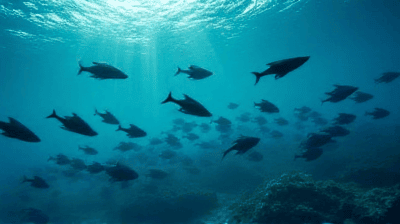
Marine Protected Areas: Do Fishing Bans Actually Help Biodiversity Recover?
Marine ecosystems are among the most diverse and productive on the planet, providing invaluable resources and services that support human life and the health of the environment. However, these vital ecosystems are under siege from overfishing, habitat destruction, pollution, and climate change.
Ecosystem
How Ancient 'Fog Harvesting' Techniques Are Reviving Arid Landscapes
In an era when climate change and water scarcity pose significant challenges to agriculture and livelihoods, innovative solutions rooted in ancient practices are gaining renewed attention. One such method is fog harvesting, a sustainable technique that has been used for centuries in arid regions around the world.

Ecosystem
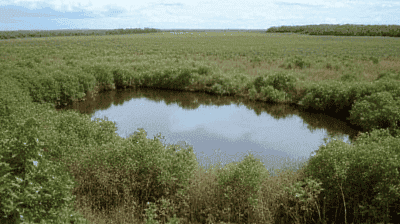
Why the World's Peatlands Are Critical Carbon Sinks (and How We're Losing Them)
Peatlands, often overlooked in discussions about climate change, are among the most important ecosystems on the planet. These waterlogged areas, which are primarily found in boreal, temperate, and tropical regions, act as critical carbon sinks, storing more carbon than all the world’s forests combined.
Ecosystem

Sustainable Agriculture
Next



Green Technology


Pollution Control
-
Best Practices for Reducing Landfill Waste and Soil Pollution
Landfills have long been a primary method for waste disposal, but their environmental impact is becoming increasingly concerning. The accumulation of waste in landfills leads to soil pollution, water contamination, and greenhouse gas emissions, all of which pose serious threats to ecosystems and human health.
Read Now >
-
Why Electric Vehicles Are Quieter and How They Reduce Noise Pollution
As urban areas continue to expand and traffic congestion rises, noise pollution has become a significant concern for city dwellers and policymakers alike. Traditional gasoline-powered vehicles contribute to high noise levels in urban environments, impacting well-being and public health.
Read Now >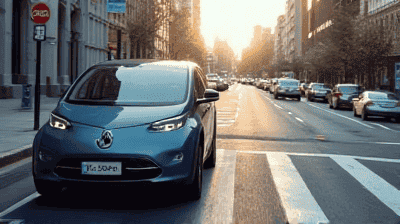
-
The Science Behind Carbon Capture and Storage (CCS) for Cleaner Air
In the struggle against climate change, carbon dioxide emissions are a major contributor to global warming and environmental degradation. The need for effective methods to mitigate these emissions has never been more urgent.
Read Now >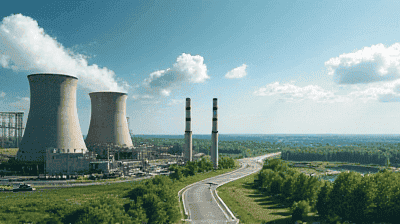
-
The Dangers of Microplastics in Water and How to Filter Them Out
As the world becomes increasingly aware of environmental issues, one term that has gained significant attention is microplastics. These tiny plastic particles, less than five millimeters in diameter, have infiltrated our ecosystems, particularly our water sources.
Read Now >